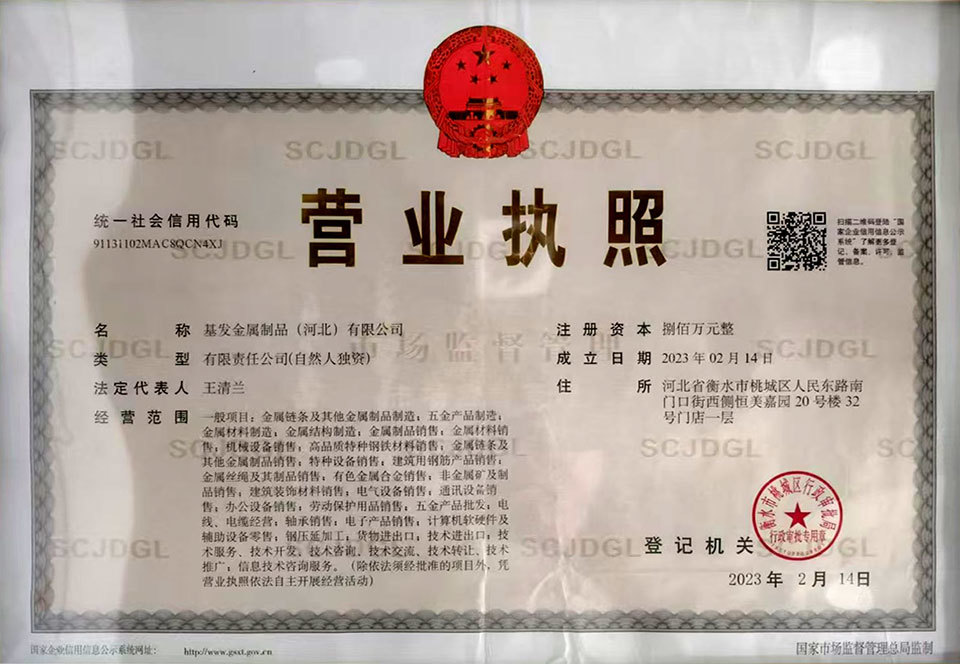
welcome to the Jifa metal, main all kinds of metal products!




Why Common Galvanized Iron Nails Are Essential for Industrial Projects
Public Date:
2026-01-30

Why Common Galvanized Iron Nails Are Essential for Industrial Projects
Table of Contents
- What Are Galvanized Iron Nails?
- Benefits of Using Galvanized Iron Nails
- Applications of Galvanized Iron Nails in Industrial Projects
- Comparison with Other Fasteners
- Installation Techniques for Galvanized Iron Nails
- Maintenance and Durability
- Environmental Impact of Galvanized Iron Nails
- Frequently Asked Questions
- Conclusion
What Are Galvanized Iron Nails?
Common galvanized iron nails are fasteners made from iron that undergoes a galvanization process—a protective coating of zinc is applied to the surface. This coating enhances the nails' corrosion resistance, making them ideal for various industrial applications. Understanding the composition and manufacturing process of these nails is crucial for appreciating their significance in construction and manufacturing industries.
Benefits of Using Galvanized Iron Nails
Corrosion Resistance
One of the primary benefits of galvanized iron nails is their exceptional corrosion resistance. The zinc coating acts as a barrier, protecting the iron underneath from exposure to moisture and other corrosive elements. This property is vital for projects subjected to harsh environmental conditions, such as marine or industrial settings.
Strength and Durability
Galvanized iron nails offer superior strength compared to their non-galvanized counterparts. Their robust nature ensures they can withstand heavy loads and resist bending or breaking. This strength is crucial in structural applications where the integrity of the framework is paramount.
Versatility in Applications
These nails are versatile and can be used in various industrial projects, including construction, woodworking, and metal fabrication. Their adaptability makes them a preferred choice among contractors and engineers.
Cost-Effectiveness
Given their durability and longevity, galvanized iron nails are a cost-effective investment. While they may have a slightly higher initial cost compared to regular nails, their extended lifespan and reduced need for replacements make them more economical in the long run.
Applications of Galvanized Iron Nails in Industrial Projects
Construction
In construction, galvanized iron nails are extensively used for framing, roofing, and sheathing. Their strength ensures that structures remain stable over time, while their resistance to rust allows them to maintain aesthetic and structural integrity even in challenging weather conditions.
Woodworking
Woodworkers often rely on galvanized iron nails for assembling furniture, cabinetry, and other wooden structures. The nails provide a strong hold, ensuring that joints remain secure, which is crucial for both functionality and safety.
Metal Fabrication
In metal fabrication, these nails are utilized for fastening metal components together. Their ability to resist corrosion makes them suitable for use in industries that involve exposure to chemicals or moisture.
Comparison with Other Fasteners
Galvanized vs. Stainless Steel Nails
While stainless steel nails also offer corrosion resistance, they tend to be more expensive. Galvanized iron nails provide a suitable alternative for projects where cost is a factor but corrosion resistance remains a priority.
Galvanized vs. Non-Galvanized Nails
Non-galvanized nails are not suitable for outdoor applications due to their susceptibility to rust. In contrast, galvanized iron nails provide a reliable solution for both indoor and outdoor projects, ensuring longevity and durability.
Installation Techniques for Galvanized Iron Nails
Preparation
Before installation, ensure that the materials being fastened are clean and dry. This preparation minimizes the risk of corrosion and maximizes the nail's holding power.
Driving Techniques
When driving galvanized iron nails, use a hammer or a nail gun for consistent results. Ensure the nails are driven straight to prevent bending or damaging the materials being fastened.
Spacing Considerations
Proper spacing between nails is critical for ensuring structural integrity. Follow the manufacturer's guidelines or industry standards for the correct spacing based on the application and materials used.
Maintenance and Durability
Regular Inspections
Conducting regular inspections of nailed connections can help identify any signs of wear or corrosion early. This proactive approach ensures that any issues can be addressed before they compromise the project's integrity.
Cleaning and Care
Cleaning the surface around galvanized iron nails can enhance their longevity. Remove any debris or moisture that may accumulate, especially in outdoor settings.
Environmental Impact of Galvanized Iron Nails
Recyclability
Galvanized iron nails are recyclable, which contributes to reducing waste and conserving resources. When projects are deconstructed, these nails can be removed and repurposed, minimizing environmental impact.
Safe Disposal
When disposing of galvanized iron nails, ensure they are placed in appropriate recycling bins or facilities. This practice prevents environmental contamination and aligns with sustainable building practices.
Frequently Asked Questions
1. What are the differences between galvanized and stainless steel nails?
Galvanized nails are coated with zinc for corrosion resistance, making them more affordable but less durable than stainless steel nails, which resist rust due to their composition.
2. Can galvanized iron nails be used outdoors?
Yes, galvanized iron nails are specifically designed for outdoor use due to their corrosion-resistant properties, making them ideal for various environmental conditions.
3. How do I choose the right size of galvanized iron nail for my project?
The right size depends on the materials being fastened and the specific application. Generally, longer nails provide better holding power, while shorter nails are suitable for lighter applications.
4. Are there any special tools required for installing galvanized iron nails?
Basic tools such as a hammer or nail gun are sufficient for installation. However, ensuring that the nails are driven straight is essential for optimal performance.
5. How can I improve the lifespan of galvanized iron nails?
Regular inspections and proper installation techniques can improve the lifespan of galvanized iron nails. Additionally, keeping the surrounding area clean and dry helps prevent corrosion.
Conclusion
In summary, common galvanized iron nails are **essential** for a diverse range of industrial projects due to their **robustness**, **corrosion resistance**, and **cost-effectiveness**. By understanding their benefits and applications, as well as employing proper installation and maintenance techniques, we can ensure that our projects achieve the highest standards of durability and performance. Whether used in construction, woodworking, or metal fabrication, these fasteners prove their worth time and again, making them an indispensable component in the industrial sector.
recommend reading
Understanding Ecological Board Nails: A Sustainable Choice in Fasteners
Ecological board nails are an innovative solution in the realm of fastening and connecting components, particularly suited for applications involving eco-friendly materials. These nails are designed to provide a reliable fastening solution while minimizing environmental impact. With growing concerns about sustainability in manufacturing and construction, understanding the properties and benefits o
Top 5 Advantages of Ecological Board Nails Over Traditional Fasteners
Top 5 Advantages of Ecological Board Nails Over Traditional Fasteners As the construction and manufacturing industries evolve, the demand for sustainable materials and innovative solutions continues to grow. One such innovation is the ecological board nail, a fastener designed to offer a host of advantages over traditional options. We delve into the top five benefits of ecological board nails, sho
Understanding Ecological Board Nails: An Essential Component in Sustainable Construction
Ecological board nails have gained attention in recent years as a vital component in sustainable construction practices. These specially designed fasteners are crafted from environmentally friendly materials, making them an excellent choice for projects that prioritize ecological responsibility. Unlike traditional nails, which may contain harmful chemicals or non-biodegradable components, ecologic
The Ultimate Guide to Choosing the Right Ecological Board Nails
The Ultimate Guide to Choosing the Right Ecological Board Nails Table of Contents 1. Introduction to Ecological Board Nails 2. Why Choose Ecological Board Nails? 3. Types of Ecological Board Nails 4. Materials Used in Ecological Board Nails 5. Selecting the Right Size and Dimensions 6. Applications of Ecological Board Nails 7. Best Practices for Installation 8. Maintenance and Care for Longevity
Maximizing Performance with Ecological Board Nails: A Comprehensive Guide
Ecological board nails are a crucial component in the realm of fastening solutions, particularly for those in the industrial equipment and components sector. These specialized nails are designed to provide secure fastening while minimizing environmental impact. Understanding their attributes and applications can significantly enhance productivity and sustainability in various manufacturing process
Why Ecological Board Nails Are Essential for Sustainable Construction
Why Ecological Board Nails Are Essential for Sustainable Construction Table of Contents 1. Introduction to Ecological Board Nails 2. Understanding Sustainable Construction 3. Advantages of Ecological Board Nails 3.1 Environmental Benefits 3.2 Durability and Performance 4. Applications of Ecological Board Nails in Construction 4.1 Residential Building Projects 4.2 Commercial Const